
Operating a motor vehicle is one of the most complex cognitive tasks the average adult performs on a regular basis. Safe driving requires continuous visual scanning, rapid risk assessment, spatial orientation, and split-second physical reactions. Despite the critical nature of these demands, everyday commuting often devolves into an automated, absent-minded routine. Drivers easily succumb to cognitive drift, mobile phone distractions, fatigue, and the false security of familiar routes.
In recent years, dashboard cameras, commonly known as dashcams, have surged in popularity. While initially adopted as objective digital witnesses for insurance claims and legal protection against staged accidents, these devices have demonstrated a far broader utility. Beyond recording footage after an incident occurs, dashcams exert a profound psychological and operational influence on driver behavior. By serving as an objective feedback mechanism, integrating intelligent driver-assistance technologies, and cultivating self-accountability, dashcams play an active role in sharpening driver awareness and reducing collisions on modern roadways.
The Psychological Observer Effect and Self-Accountability
Human psychology has long established that people modify their conduct when they know their actions are being observed or recorded. This phenomenon, known in behavioral science as the Hawthorne effect or the observer effect, applies directly to the dynamic environment inside a vehicle.
-
Subconscious Accountability: Even when an individual owns and operates the camera, the visible presence of a recording lens on the windshield serves as a continuous reminder of accountability. Drivers are less likely to engage in casual moving violations, such as rolling through stop signs or tailgating, when they know the behavior is being captured on high-definition video.
-
Mitigating Impulsive Aggression: Road rage and aggressive driving often stem from perceived anonymity behind tinted glass. The presence of a dashcam grounds the driver, dampening the impulse to participate in retaliatory braking, erratic lane weaving, or confrontational gestures.
-
Reducing Mobile Phone Handling: Distracted driving remains a leading cause of traffic fatalities. Knowing that cabin-facing or wide-angle lenses capture interior movement creates a psychological barrier against picking up smartphones to read text messages or browse social feeds while the vehicle is in motion.
Objective Self-Assessment and Post-Drive Review
One of the greatest barriers to improving driving competence is the human tendency to overestimate personal skill while downplaying near misses. Drivers routinely forget close calls, rationalize improper following distances, or misjudge their own lane discipline within minutes of completing a trip.
Dashcams eliminate subjective memory distortion by providing an unvarnished, empirical record of every trip.
Analyzing Near Misses and Critical Incidents
Reviewing dashcam footage after an unexpected hazard provides immediate educational value:
-
Identifying Blind Spot Vulnerabilities: Reviewing footage of an unexpected vehicle appearance reveals whether the incident was caused by improper mirror alignment, failure to perform a physical shoulder check, or traveling in another vehicle’s blind zone.
-
Evaluating Reaction Times: Drivers can objectively evaluate the interval between the appearance of a brake light ahead and their own physical application of the brakes, highlighting the need for greater following buffers.
-
Recognizing Environmental Hazards: Reviewing video helps motorists identify recurring environmental hazards they previously missed, such as poorly visible pedestrian crosswalks, hidden driveways obstructed by vegetation, or deceptive lane merges.
Coaching Young and Inexperienced Drivers
For parents and driving instructors, dashcam footage serves as an indispensable training tool. Rather than relying on stressful in-the-moment critiques that can trigger anxiety, mentors can conduct calm, structured post-drive reviews. Walking a novice driver through captured video allows for constructive discussions about speed management, gap selection, and hazard anticipation in a controlled setting.
Advanced Driver Assistance Systems and Real-Time Awareness
Modern dashcams are no longer simple passive recording loops. Many contemporary models incorporate sophisticated Advanced Driver Assistance Systems (ADAS) powered by optical sensors, computer vision, and machine learning algorithms. These features deliver real-time, preventative warnings that actively augment driver awareness.
-
Forward Collision Warnings: Using optical distance measurement, the camera detects rapid deceleration in the lead vehicle or the presence of stationary obstacles, sounding an auditory alert to prompt emergency braking before a rear-end impact occurs.
-
Lane Departure Alerts: Computer vision tracks road markings in real time. If the vehicle begins to drift out of its designated travel lane without an active turn signal, the system alerts the driver, mitigating the risk of sideswipes or run-off-road collisions caused by drowsiness or inattention.
-
Front Vehicle Departure Alerts: In stop-and-go urban traffic, the camera senses when the preceding vehicle moves forward from a complete stop, gently notifying the driver to resume travel and preventing distracted delays at green lights.
-
Speed Camera and Hazard Notifications: Integrated GPS modules cross-reference vehicle velocity and location against geo-tagged databases, reminding drivers of upcoming school zones, steep grades, speed enforcement cameras, and sharp curves.
Comparison of Awareness Benefits Across Dashcam Configurations
| Dashcam Configuration | Primary Field of View | Awareness and Safety Mechanism | Best Operational Application |
| Single Front-Facing Camera | Windshield perspective (140 to 170 degrees) | Records forward traffic flow, road signs, and forward collision risks | Daily personal commuting and general legal protection |
| Dual Channel (Front and Rear) | Forward road and rear window perspective | Monitors following distances, tailgating, and rear-end approach velocity | Highway driving, multi-lane urban roads, and rideshare drivers |
| Interior Cabin (Three-Channel) | Road ahead, passenger cabin, and rear exterior | Tracks driver fatigue, eye gaze, passenger interactions, and blind spots | Commercial fleet management, driver education, and teen driver monitoring |
| Connected Cloud Dashcam | Front/rear view with real-time remote telemetry | Delivers instant parking shock alerts, GPS tracking, and remote safety audits | Commercial logistics, delivery services, and vehicle security |
Developing Heightened Situational Awareness and Defensive Driving
Defensive driving requires anticipating what other road users might do several seconds before they execute a maneuver. Using a dashcam encourages drivers to adopt a broader, panoramic perspective of the roadway rather than fixating solely on the bumper immediately ahead.
-
Tracking Erratic Road Users: Drivers with dashcams often become more adept at identifying early warning signs of impaired or aggressive drivers around them, such as subtle lane drifting, inconsistent speeds, or delayed intersection departures.
-
Anticipating Complex Road Merges: Wide-angle dashcam lenses capture the complex interplay of merging vehicles on highway on-ramps. Reviewing or keeping this broad field of view in mind trains drivers to scan multiple lanes simultaneously and adjust cruising speeds proactively.
-
Heightened Pedestrian and Cyclist Vigilance: In dense urban corridors, dashcams highlight the unpredictable movement patterns of pedestrians, e-scooter riders, and delivery cyclists who may emerge between parked cars, encouraging drivers to reduce speeds in congested zones.
Commercial Fleet Telematics and Professional Driver Training
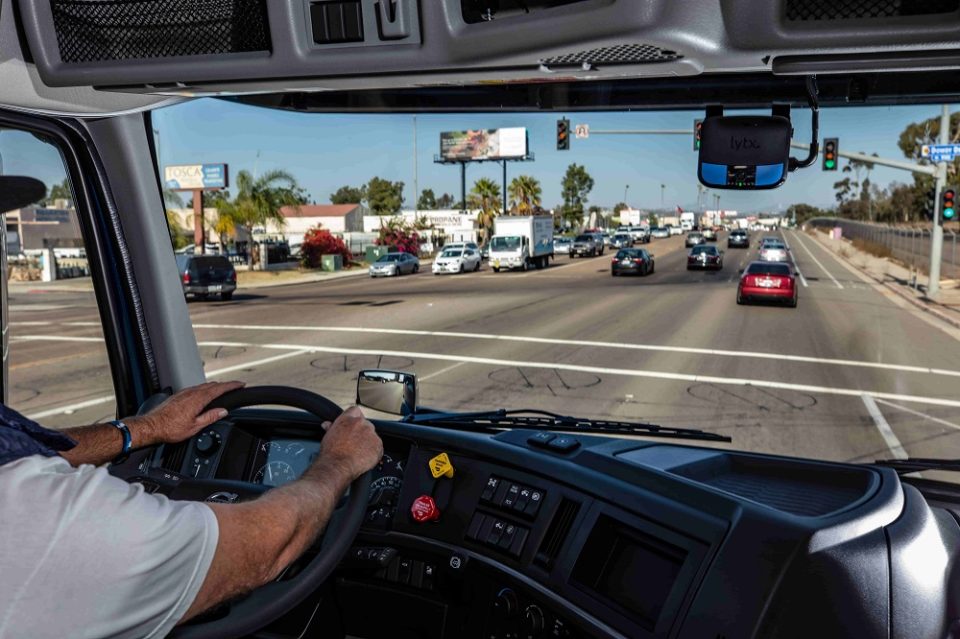
The impact of dashcams on driver awareness is most clearly documented within commercial transportation, freight logistics, and municipal transit fleets. Fleet operators who implement dual-facing, AI-enabled dashcams consistently report significant drops in preventable accidents and insurance claims.
Commercial systems analyze cabin telemetry alongside road conditions, detecting subtle signs of driver fatigue such as prolonged eye closure, frequent yawning, or head nodding. When these indicators occur, the system triggers immediate audible prompts to awaken the driver and alerts dispatchers to schedule mandatory rest breaks.
Furthermore, fleet managers utilize aggregated driving data, such as hard braking events, rapid accelerations, and sharp cornering, to build personalized driver safety scorecards. This objective feedback transforms fleet safety culture, incentivizing smooth, attentive driving practices across thousands of operational miles.
Frequently Asked Questions
Can the physical placement of a dashcam on the windshield create a dangerous visual blind spot?
Yes, improper mounting can obstruct forward visibility and violate traffic safety laws. Dashcams should always be mounted high on the windshield, ideally centered directly behind or beside the interior rearview mirror, outside the driver direct forward line of sight. Cables should be routed cleanly along the headliner and window pillars to ensure zero visual interference with the roadway or deployed airbags.
How does night vision technology in modern dashcams assist with low-light driving evaluations?
Modern dashcams utilize high-sensitivity image sensors (such as back-illuminated CMOS sensors) paired with High Dynamic Range (HDR) and Wide Dynamic Range (WDR) processing. These optical technologies balance extreme contrast between dark roads and glaring oncoming headlights, allowing drivers to review low-light footage clearly and assess how well they navigate poorly illuminated rural roads or night-time pedestrian zones.
What is the difference between loop recording and emergency event locking?
Loop recording continuously overwrites the oldest unlocked video files on the memory card with fresh footage once storage capacity is reached, ensuring the camera never stops recording. Emergency event locking is triggered automatically by an internal G-sensor when it detects sudden impacts, severe braking, or rapid swerving. The camera instantly locks that specific video segment into a protected folder that cannot be overwritten, preserving critical evidence for subsequent review.
Can using a dashcam lead to driver distraction if it features an active display screen?
If left illuminated while driving, a dashcam LCD screen can attract the driver gaze and disrupt nighttime vision. To prevent this, quality dashcams feature an automatic screen-saver function that turns the display off after thirty to sixty seconds of operation, allowing the device to continue recording in the background without creating a glowing visual distraction inside the cabin.
How does parking mode on a dashcam promote awareness of vehicle surroundings?
Parking mode utilizes motion detection and impact sensors to record events while the vehicle is parked and the engine is off. Reviewing parking mode footage alerts vehicle owners to hidden environmental hazards in their regular parking spots, such as tight maneuvering spaces, careless neighboring vehicles, or low-hanging branches, prompting them to select safer parking locations in the future.
Are dashcam footage logs legally admissible as evidence in standard traffic dispute hearings?
In the United States, dashcam video is widely admissible in civil litigation, insurance arbitration, and traffic court hearings, provided the footage is clear, unaltered, and properly authenticated with relevant time, date, and location stamps. The objective video provides undisputed visual proof of traffic light sequences, lane positions, and right-of-way compliance, rapidly resolving conflicting eyewitness claims.
What maintenance steps are necessary to ensure a dashcam remains fully operational?
To keep a dashcam functioning reliably, drivers should format the micro-SD card every two to three months to prevent file corruption, inspect the suction or adhesive mount for temperature-induced loosening, clean the windshield glass directly in front of the lens to prevent optical glare, and verify that internal firmware is updated to maintain optimal sensor calibration and ADAS performance.
