
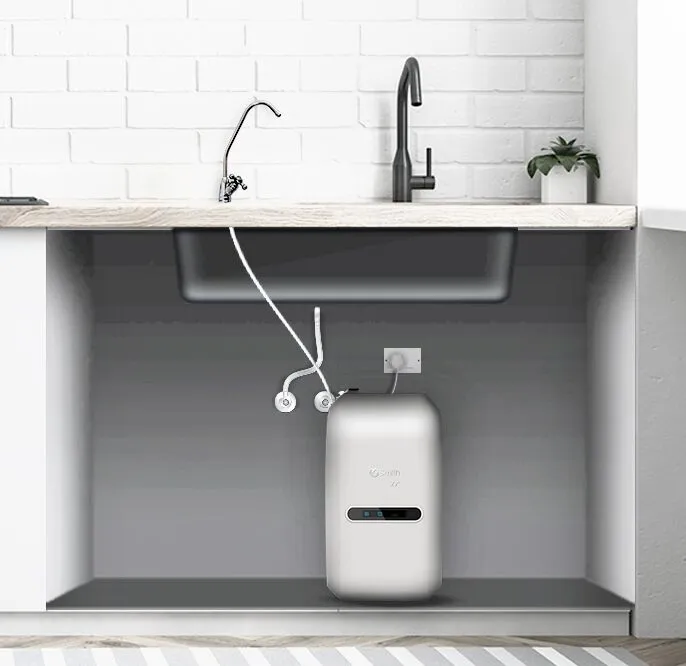
Under-sink water purifiers are a popular choice for modern kitchens due to their space-saving design and seamless integration. However, before installing one, it’s important to evaluate a few key factors to ensure optimal performance, longevity, and convenience. A little planning up front can help you avoid installation issues and get the most out of your investment.
- Available Space Under the Sink
The first thing to assess is the available space beneath your sink. Under-sink purifiers come with storage tanks, filters, and tubing that require sufficient room for proper installation and maintenance. Check for existing plumbing, garbage disposals, or storage items that may limit space. Ensure there is enough clearance not just for installation, but also for easy filter replacement and servicing.
- Water Pressure and Flow Rate
Water pressure plays a critical role in how effectively your purifier functions. Systems such as RO (Reverse Osmosis) require a minimum pressure level to operate efficiently. If your home has low water pressure, you may need a booster pump. On the other hand, excessively high pressure can damage internal components, so installing a pressure regulator might be necessary.
Water Quality Assessment
Before choosing a purifier, it is essential to understand the quality of your water. Factors like Total Dissolved Solids (TDS), hardness, and presence of contaminants such as bacteria, heavy metals, or chlorine will determine the type of purification technology you need. For example, high TDS levels typically require RO purification, while UV or UF systems may suffice for relatively clean municipal water.
- Type of Purification Technology
Not all purifiers are built the same. Under-sink models can include RO, UV, UF, or multi-stage purification systems. Selecting the right technology depends on your water source and contamination level. A multi-stage purifier often provides comprehensive protection by combining different technologies, ensuring safe and great-tasting water.
- Drainage and Plumbing Setup
Under-sink purifiers, especially RO water purifiers systems, produce wastewater during the filtration process. You need to ensure there is proper drainage available. Check whether your sink setup allows for easy connection to a drain line. Additionally, verify compatibility with existing plumbing to avoid costly modifications during installation.
- Power Supply and Safe Electrical Setup
Many advanced RO water purifiers, especially those with RO and UV technologies, require a continuous power supply to function efficiently. It is important to ensure that a properly installed, well-earthed electrical connection is available near the installation area.
If a suitable power point is not already present, installing one with proper earthing and safety measures becomes essential to prevent electrical hazards. This should always be carried out by a qualified professional to ensure safe operation and long-term reliability of the purifier.
- Installation and Maintenance Access
Ease of installation and future maintenance should not be overlooked. Choose a location that allows technicians to access the system without dismantling other kitchen components. Regular filter changes and servicing are essential for maintaining water quality, so accessibility is key.
- Storage Tank Capacity
Consider your household’s daily water consumption when selecting a purifier. Under-sink models often come with storage tanks of varying capacities. A larger tank is ideal for bigger families or homes with high water usage, ensuring a steady supply without frequent waiting time.
Brand Reliability and Service Support
Lastly, opt for a trusted brand that offers reliable after-sales service. Easy availability of spare parts, prompt servicing, and warranty coverage can make a significant difference in your overall experience.
Conclusion
Installing an under-sink water purifier is a smart upgrade for any kitchen, but it requires careful planning. By checking factors like space, water pressure, water quality, and installation requirements, you can ensure a smooth setup and long-term efficiency. Making an informed decision not only enhances convenience but also guarantees safe and clean drinking water for your household.
